Choosing the right electric guitar strings has a bigger impact on your tone and playing comfort than most beginners expect. Among all materials, nickel and stainless steel strings are the two most popular—and the most debated.
So which one is better?
The honest answer: it depends on your tone goals, playing style, and the guitar you use. In this guide, we’ll break down the real differences between nickel and stainless steel strings, help you decide which fits your needs, and explain how Alice Electric Guitar Strings approach both options for consistent tone and long-term reliability.
1. Why String Material Matters More Than You Think
Electric guitar strings don’t just vibrate—they interact directly with your pickups, frets, and fingers. The metal composition affects:
Output and pickup response
Brightness vs warmth
Finger feel and friction
Fret wear over time
String lifespan and corrosion resistance
That’s why choosing between nickel and stainless steel isn’t a cosmetic choice—it’s a tone and performance decision.
2. Nickel Electric Guitar Strings: Warm, Balanced, Classic
What Are Nickel Strings?
Most "nickel" electric guitar strings today are nickel-plated steel:
Steel core for strength and magnetic response
Nickel plating for smoother feel and warmer tone
Key Characteristics of Nickel Strings
Tone
Warm and balanced
Smooth highs, controlled brightness
Classic rock and blues-friendly
Feel
Smoother under the fingers
Less finger noise when sliding
Comfortable for long practice sessions
Fret Wear
Softer material
Gentler on frets over time
Best For:
Beginners and intermediate players
Blues, rock, pop, worship, jazz-fusion
Players who prefer a traditional, forgiving feel
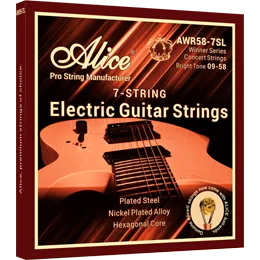
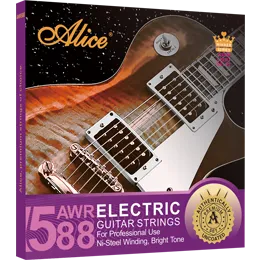
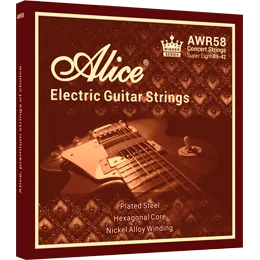
Alice Nickel Electric Guitar Strings
Alice’s nickel-plated electric guitar strings are engineered for:
Consistent winding tension
Stable intonation across the fretboard
Smooth surface finish to reduce finger fatigue
They’re widely used by students, teachers, and working musicians who want predictable tone without harshness.
3. Stainless Steel Electric Guitar Strings: Bright, Powerful, Cutting
What Are Stainless Steel Strings?
Stainless steel strings use a harder, corrosion-resistant alloy for the winding, delivering a noticeably different sound and feel.
Key Characteristics of Stainless Steel Strings
Tone
Very bright and crisp
Strong attack and clarity
Excellent note definition under distortion
Feel
Slightly rougher texture
More resistance under the fingers
Highly responsive to aggressive picking
Fret Wear
Harder material
May accelerate fret wear over long-term use
Best For:
Rock, metal, punk, fusion
High-gain and drop tunings
Players who need strong articulation and cut
Alice Stainless Steel Electric Guitar Strings
Alice stainless steel sets focus on:
High-output response for modern pickups
Enhanced corrosion resistance for sweaty hands
Stable performance in live and touring conditions
They’re designed for players who need brightness that holds up on stage and in recording sessions.
4. Nickel vs Stainless Steel: Side-by-Side Comparison
Feature | Nickel Strings | Stainless Steel Strings |
Tone | Warm, balanced | Bright, aggressive |
Feel | Smooth, comfortable | Firmer, more textured |
Output | Moderate | Higher |
Finger Noise | Lower | Higher |
Fret Wear | Low | Medium–High |
Corrosion Resistance | Moderate | Excellent |
Best For | Classic styles, beginners | Rock, metal, live performance |
5. Which Should You Choose?
Choose Nickel If You:
Are a beginner or play for long sessions
Prefer warm, classic tones
Want a smoother, more forgiving feel
Play blues, rock, pop, or jazz-influenced styles
Choose Stainless Steel If You:
Need maximum brightness and clarity
Play high-gain or heavily distorted music
Perform live and want strong projection
Have acidic sweat that kills regular strings fast
Many experienced players actually switch between both, depending on the guitar or musical context.
6. Gauge Still Matters (No Matter the Material)
Material is only half the equation. String gauge affects tension, sustain, and playability:
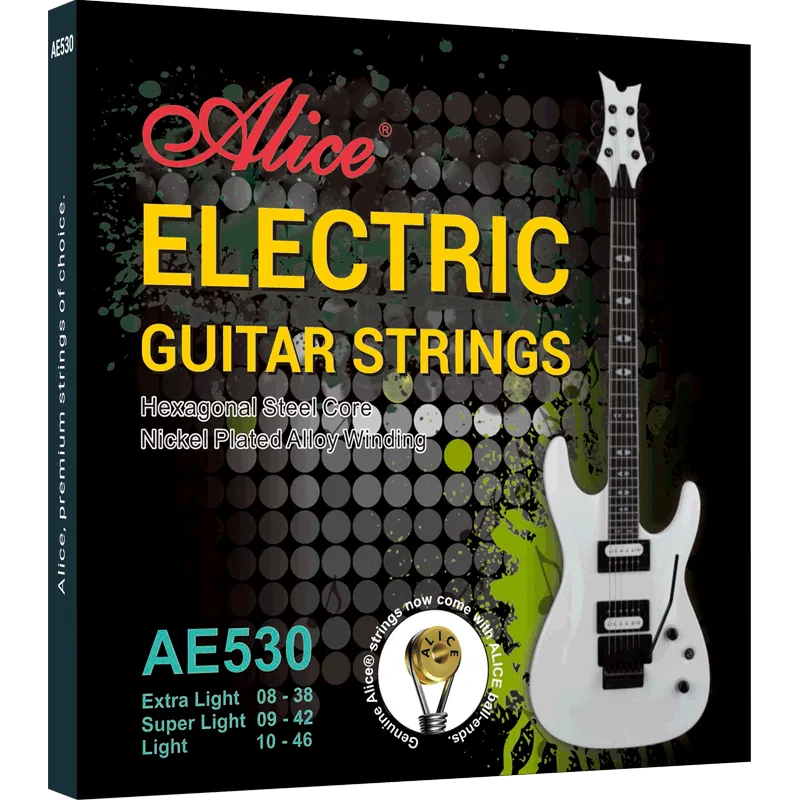
Light gauge (9–42): easier bending, brighter feel
Regular gauge (10–46): balanced tone and control
Heavy gauge (11+): stronger low-end, higher tension
Alice offers both nickel and stainless steel strings across multiple gauges, making it easy to fine-tune your setup.
7. About Alice Guitar Strings
With decades of manufacturing experience, Alice Guitar Strings are trusted by:
Music educators and schools
OEM guitar brands
Professional and semi-professional musicians worldwide
Every set is produced with:
Strict material selection
Precision winding control
Batch-level quality inspection
Whether you choose nickel or stainless steel, Alice focuses on stable tone, consistent feel, and reliable performance—not gimmicks.
8. Final Verdict: Which Is Better?
There’s no universal “better”—only better for you.
Nickel strings deliver warmth, comfort, and versatility
Stainless steel strings offer brightness, power, and durability
If you’re unsure, start with nickel-plated strings, then experiment with stainless steel as your tone preferences evolve.
Want help choosing the right Alice electric guitar strings for your playing style or brand project? Explore our full range or contact our team for professional recommendations.
Author
Written by Alice Strings Technical Team
Based on Alice’s guitar string manufacturing experience and long-term feedback from educators and beginner players.